The Science of Popsicle Freezing | Why Texture Matters
The Science of Popsicle Freezing: Why Texture Matters

Introduction
A perfect
popsicle is not just about flavor—it’s also about texture. Smoothness, firmness, and melt-rate all depend on how the popsicle is frozen. The science behind popsicle freezing determines whether a popsicle is icy, creamy, or perfectly balanced.
This blog explains the freezing process and why texture plays such a critical role in creating the ideal popsicle.
Discussion
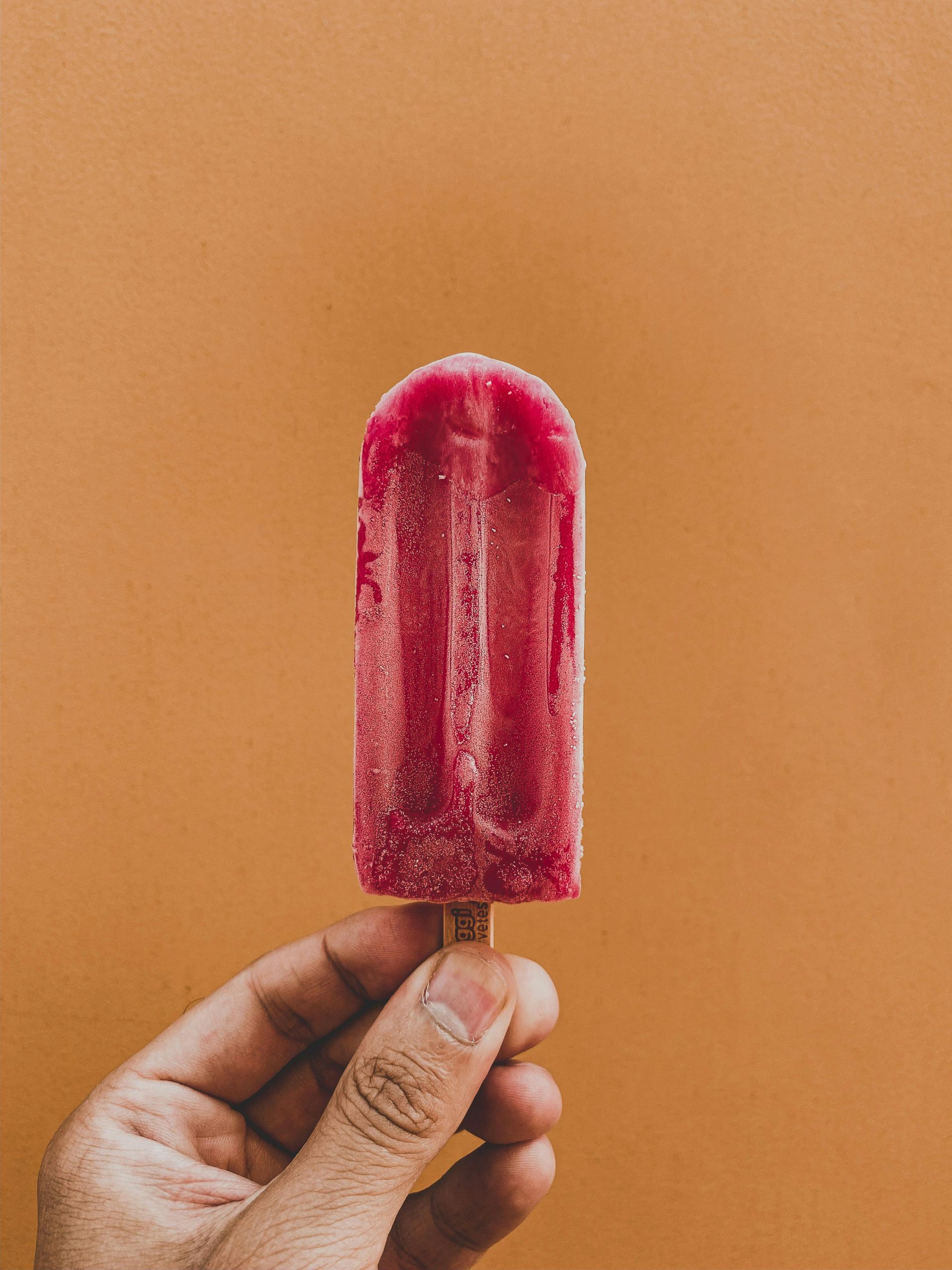
When popsicles freeze, small ice crystals form throughout the mixture. The goal is to create tiny, uniform ice crystals, which result in a smooth texture. Rapid freezing helps achieve this, while slow freezing creates larger crystals that feel icy and crunchy.
Ingredients also affect texture. Sugar, fruit, and natural stabilizers lower the freezing point, helping the popsicle remain softer and more enjoyable. Cream-based popsicles freeze differently from fruit pops because fat and proteins slow down crystal formation.
Temperature consistency is essential—fluctuation causes ice crystals to grow, creating a grainy texture. Professional makers use specialized freezers to ensure rapid, stable freezing for premium texture.
Confusion
Many people believe that harder popsicles are better frozen, but overly hard popsicles often indicate uneven freezing. Another misconception is that more sugar equals smoother texture—when in fact, the balance of ingredients is key.
Understanding freezing science helps explain why
premium popsicles taste noticeably better.
Learn about how you can speed up the freezing of a liquid popsicle in a normal freezer