Why Kids Love Popsicles | The Psychology Behind the Sweet Treat
Why Kids Love Popsicles: The Psychology Behind the Sweet Treat

Introduction
Kids absolutely love popsicles, and it’s not just because they taste good.
Popsicles appeal to children on emotional, sensory, and psychological levels. Their colors, shapes, temperature, and sweetness create an experience that children find exciting and comforting.
This blog explores the psychology behind why popsicles are such a favorite among kids and why they continue to be a timeless treat.
Discussion
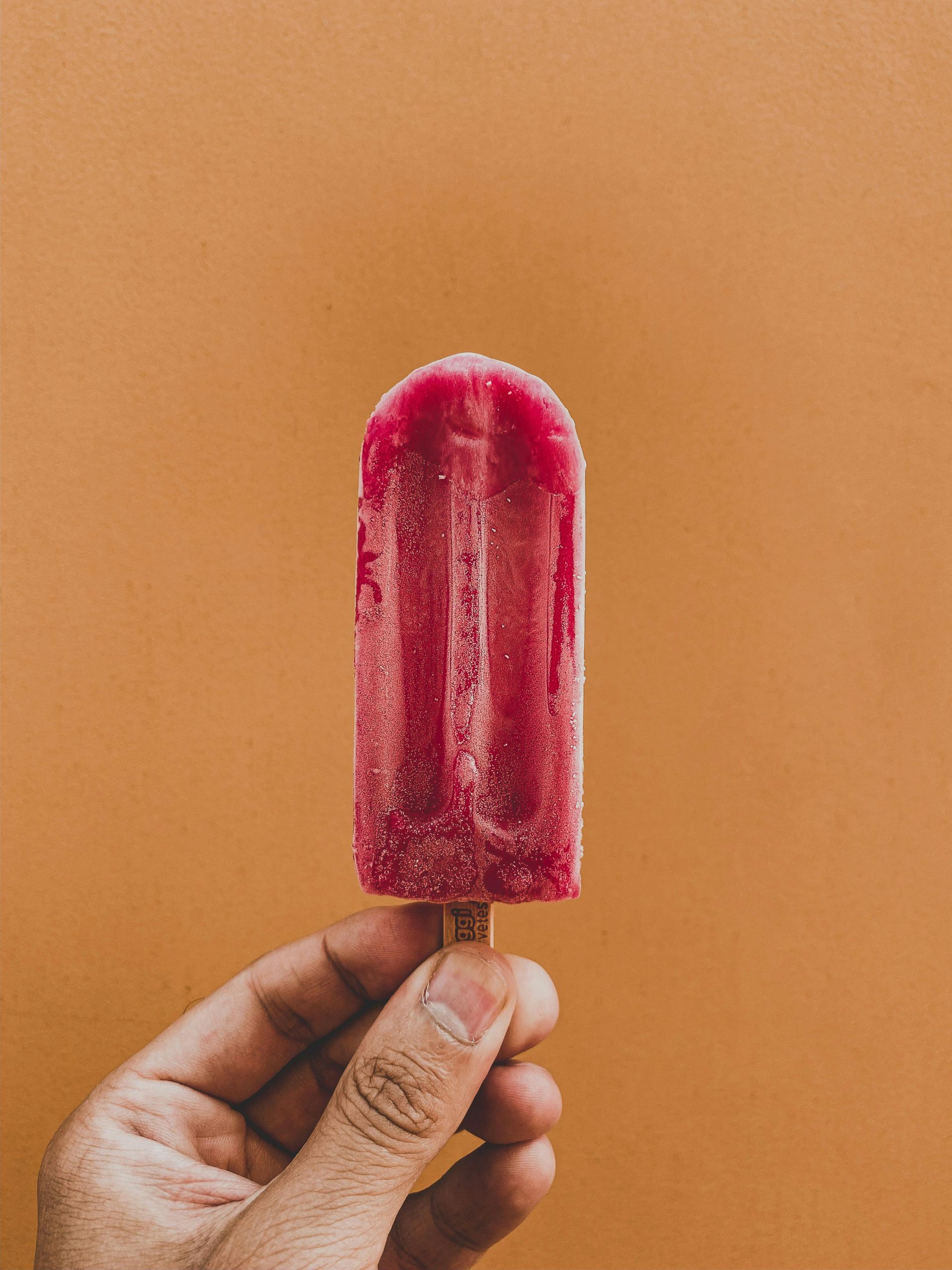
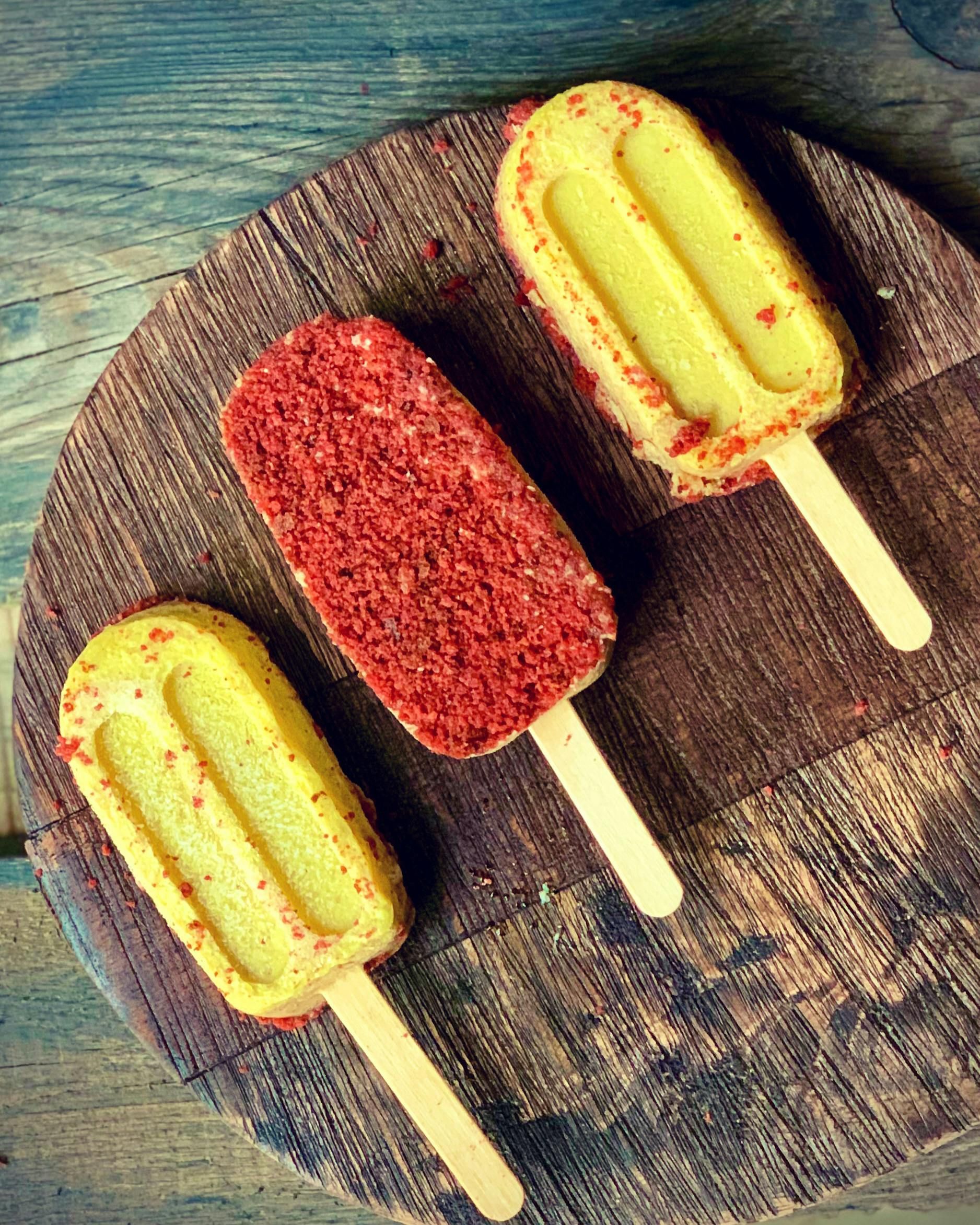
Children are naturally drawn to bright colors, and popsicles often come in vibrant shades of red, pink, blue, and orange. These colors trigger feelings of excitement and curiosity. The cold temperature of popsicles also provides sensory stimulation that kids enjoy—especially during warm weather.
Sweet flavors activate pleasure centers in a child’s brain, making the experience satisfying and memorable. The fun, interactive act of holding and eating a popsicle adds to the enjoyment. Unlike messy desserts, popsicles are easy for kids to eat without help.
Popsicles also create positive associations. Kids often enjoy them during birthdays, holidays, or family gatherings, making popsicles emotionally connected to happy moments.
Confusion
Some adults think kids love popsicles only because of sugar, but the appeal is deeper. The colors, temperature, convenience, and emotional associations all play a role. Another misconception is that popsicles are only for summer—kids enjoy them year-round.
Understanding the psychology behind popsicles helps brands create flavors and experiences children truly enjoy.
Learn about do popsicles expire in freezer.